Universal Design System
A detailed look at how UDS became the shared platform behind four brands, combining tokens, components, governance, documentation, onboarding, and supporting tools into one scalable operating model.
Role
Design System Lead
Context
IONOS Group SE
Rollout phase
~2 years
System scope
4 brands, 3 packages, 95+ patterns
Focus
Architecture, governance, adoption, and ecosystem tooling
Goal
One shared platform that scales across brands without flattening them
On this page
01
/Overview
A shared platform for multi-brand product work
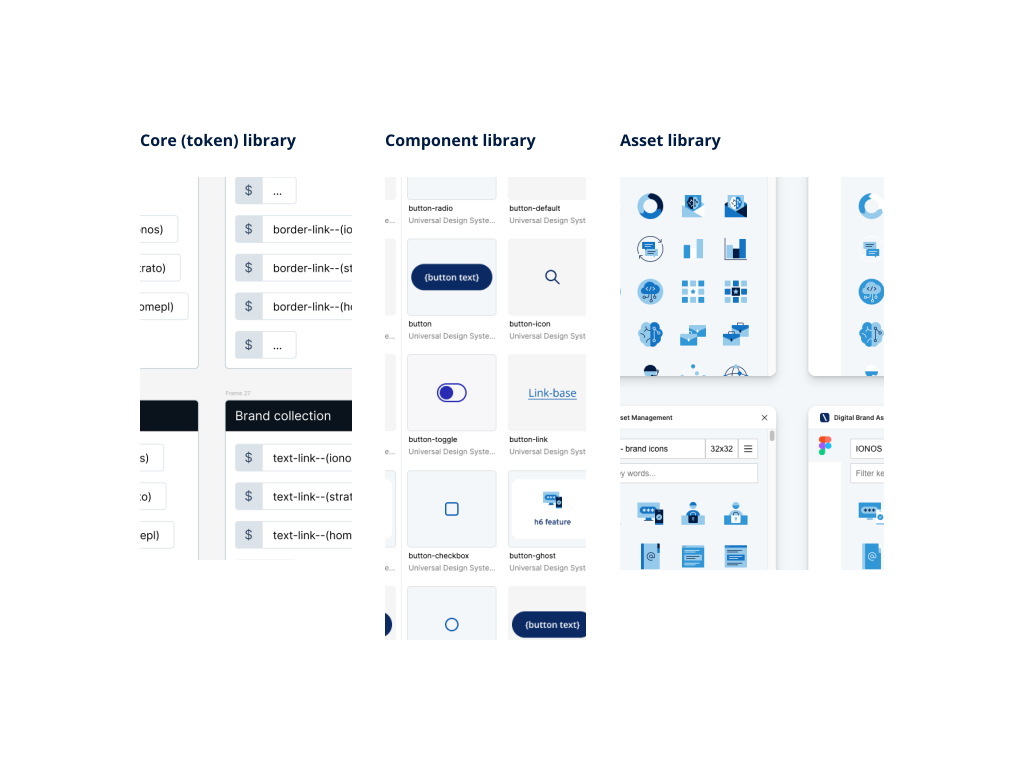
The Universal Design System was built to give several brands one shared product foundation without forcing them into a generic one-brand look. The system connected design tokens, foundations, components, documentation, and framework packages into one structure that teams could actually use in delivery.
At the time of this case study, UDS was actively used across IONOS, STRATO, Fasthosts, and home.pl. What made the work valuable was not only the component library itself, but the fact that it became a practical operating layer between design and engineering.
Outcomes
Brands integrated
4
Global patterns
95+
Core packages
3
02
/Challenge
Fragmentation was slowing down both design and delivery
Before UDS, the same product questions were often solved multiple times across brands, products, and teams. That created inconsistent UI patterns, more design debt, and more engineering effort just to keep similar experiences alive in parallel.
The real challenge was bigger than building components. We had to decide which parts of the experience should stay shared, where brand-specific variation was still necessary, and how to package those decisions in a way that teams would trust enough to adopt.
The hardest part was not creating a library. It was creating a shared system that people would actually trust in real product work.
03
/Architecture
A token-driven platform instead of isolated component work
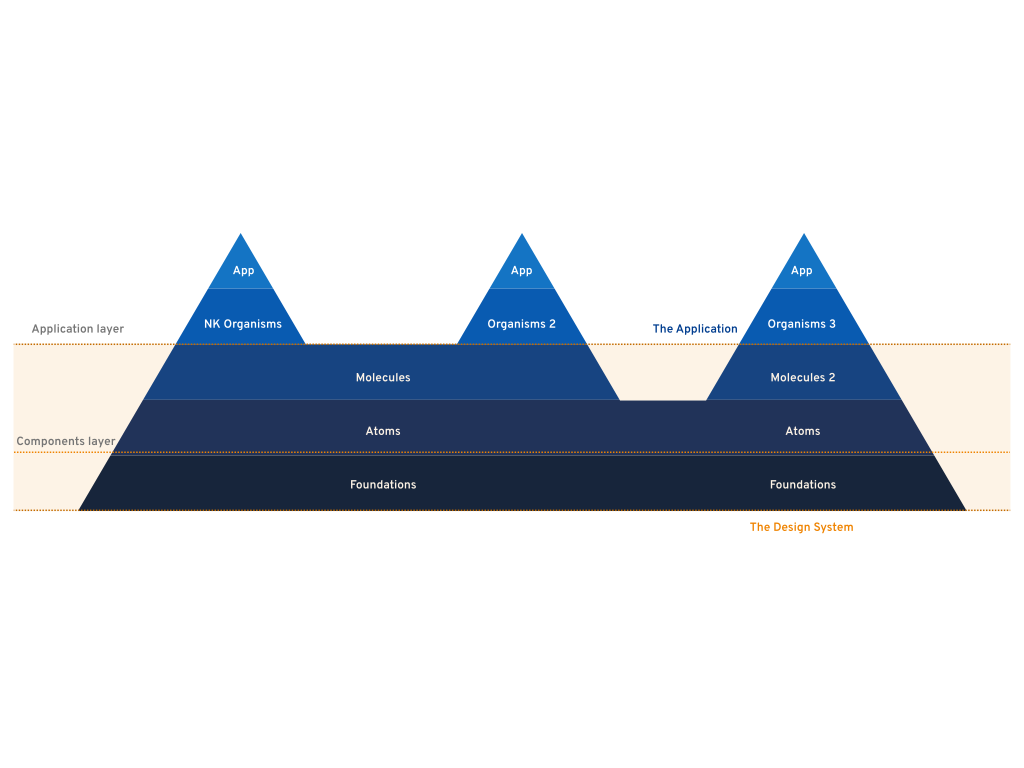
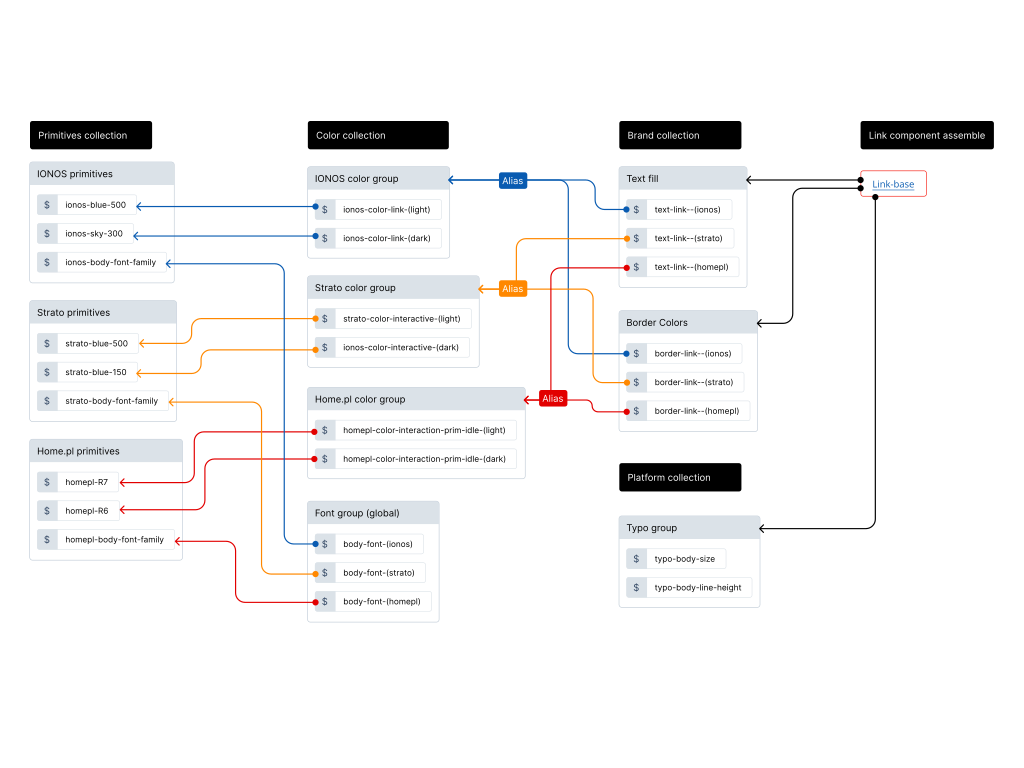
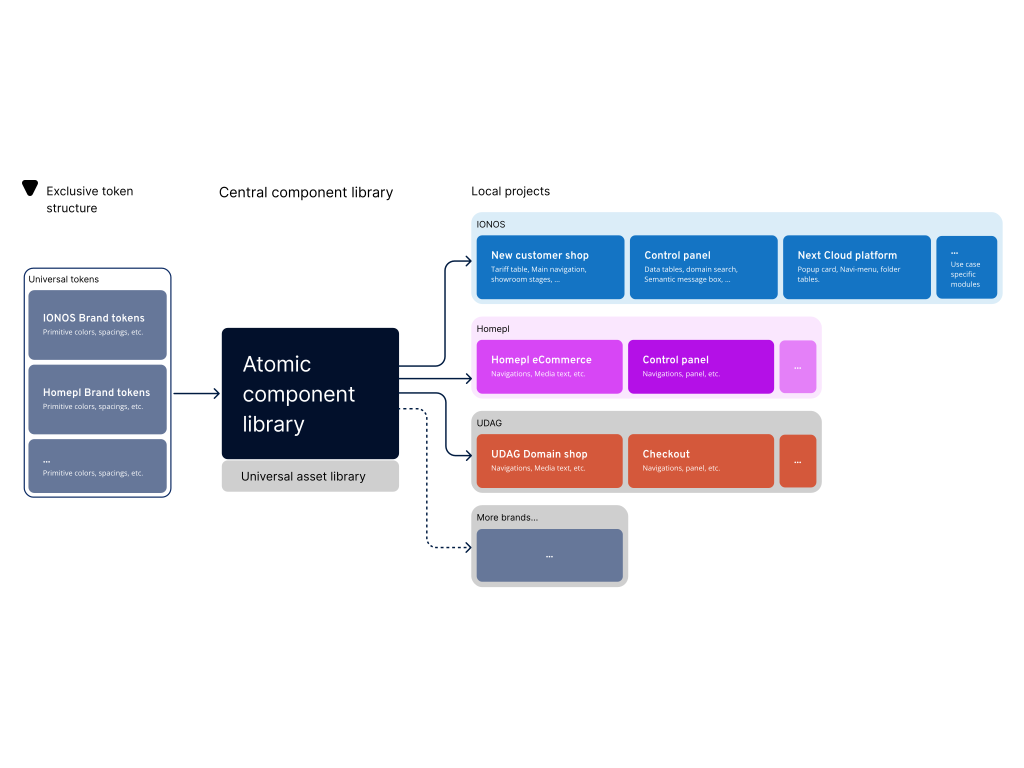
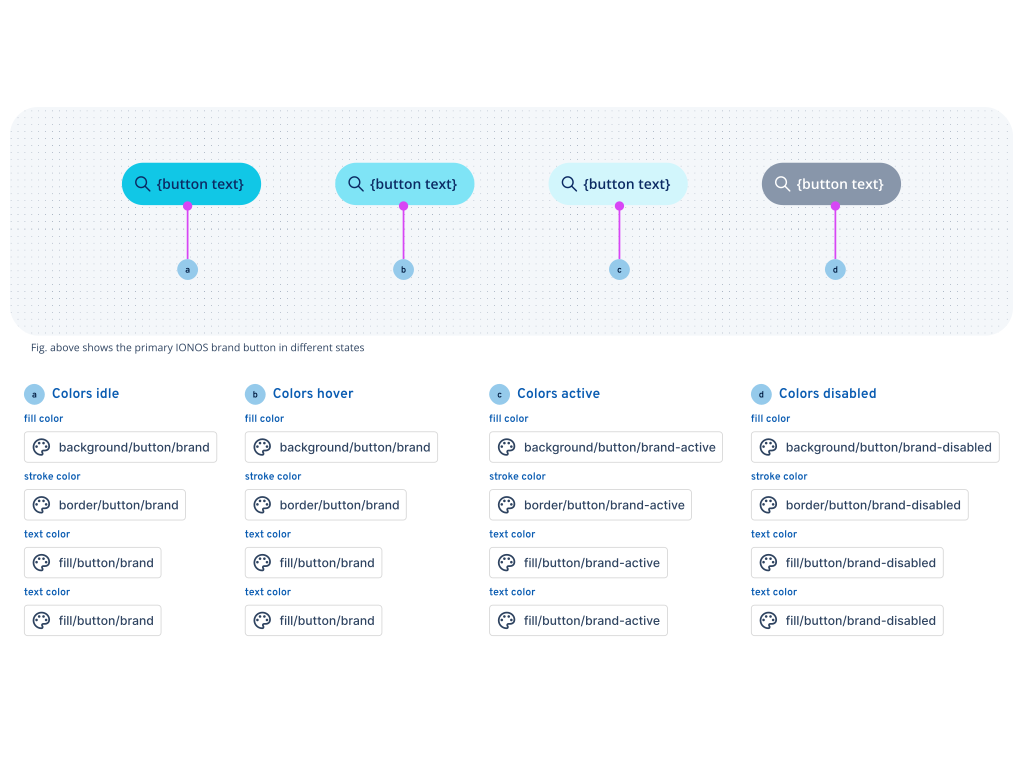
UDS followed a token-driven architecture. Design decisions started in Figma, moved through a transformation pipeline, and landed in reusable packages for Core, React, and Web Components. That made the system scalable across brands, themes, and platform densities without rewriting component logic for every variation.
This structure gave teams a clear mental model. Instead of guessing how brand, platform, and color mode should interact, they could work from one defined architecture that already translated those rules into code and documentation.
Outcomes
Token-based theming
100%
Brand-ready components
100%
Code reuse
71%
04
/Adoption & Governance
Governance made the system easier to adopt and safer to evolve
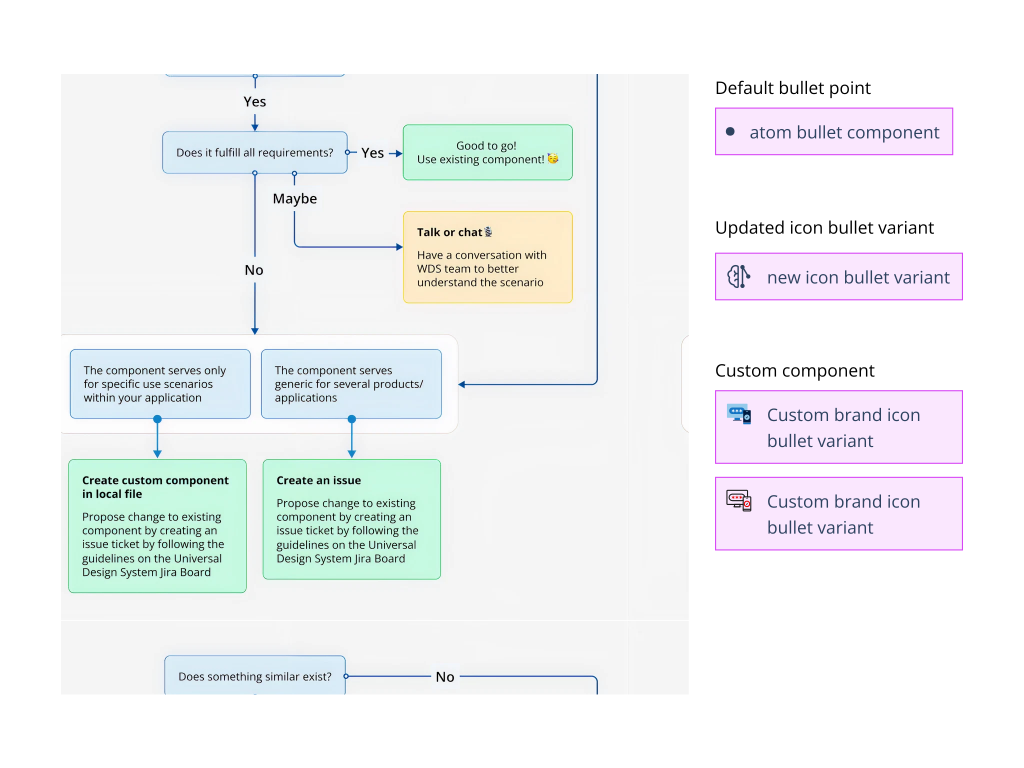
A scalable design system needs more than polished components. It needs understandable documentation, onboarding paths, shared references, and a governance model that explains how requests, changes, and contributions move through the system.
That is why rollout was treated as part of the product. Designers needed an active Figma library. Engineers needed packages they could trust. Stakeholders needed a structured way to raise needs without creating system drift. Governance turned UDS from a component collection into a model teams could rely on.
Outcomes
Designers on library
85%
Governance requests / year
~120
Implemented requests
90%
Team contributions
25%
05
/Multi-Brand in Practice
One shared architecture still produced distinct brand experiences
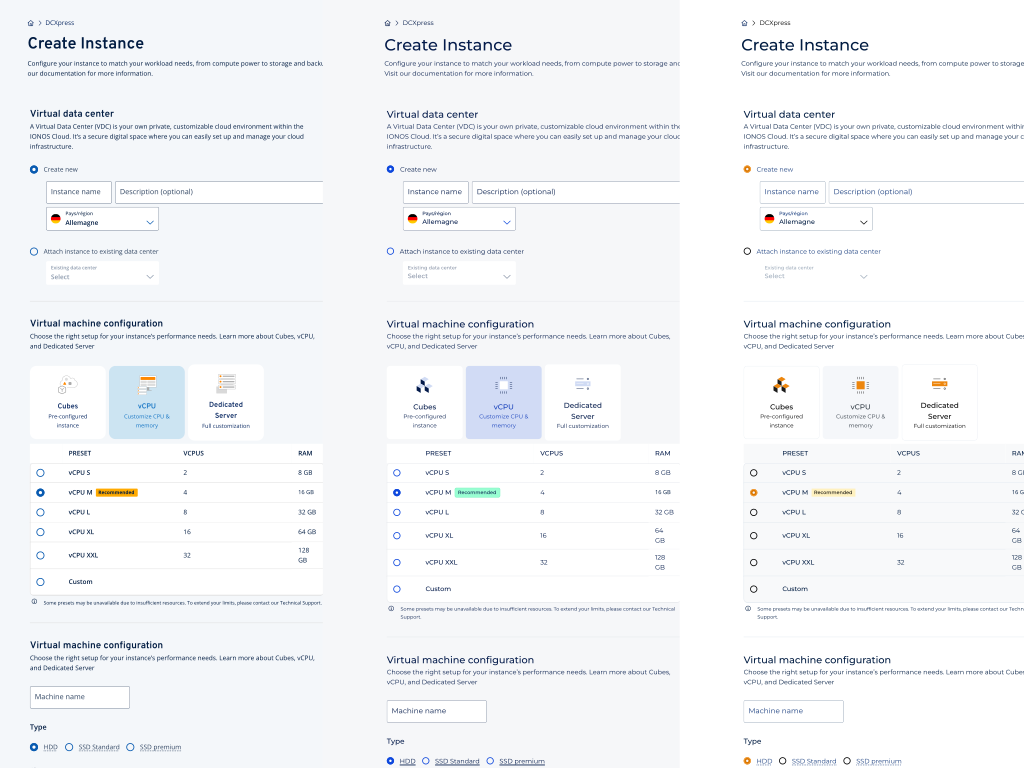
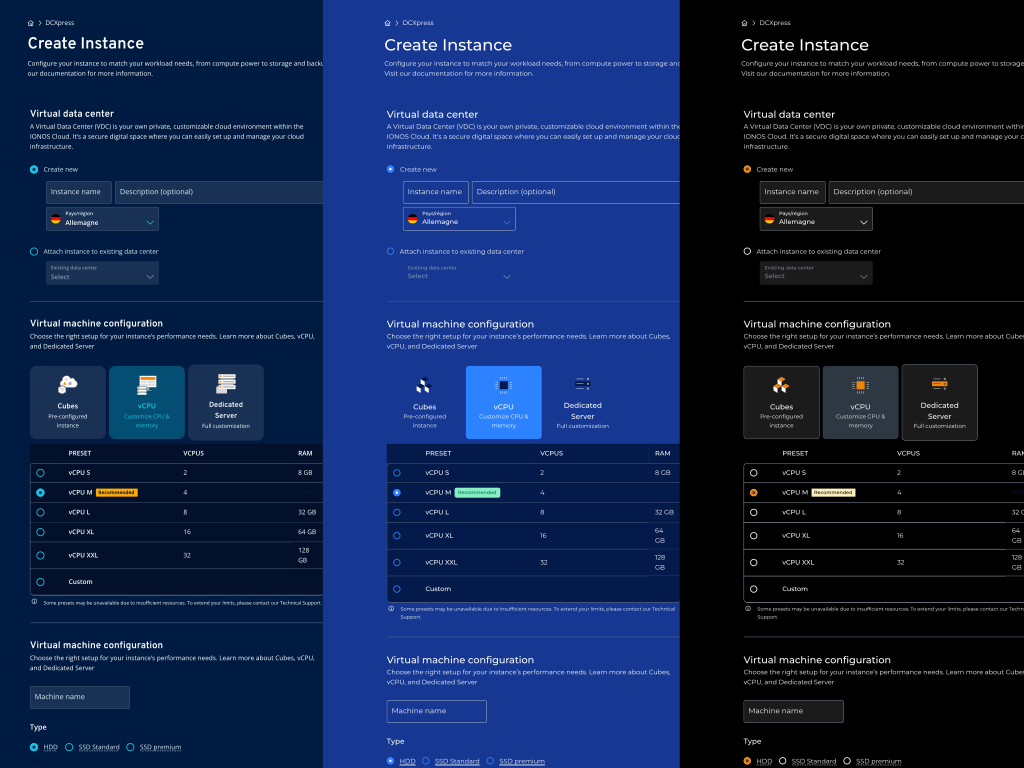
The value of a multi-brand system only becomes tangible when shared rules still allow meaningful visual distinction. UDS was built to centralize logic without flattening the brands that relied on it.
That became visible in real interface examples. The same system foundations could express different brands, support light and dark contexts, and still stay consistent enough for teams to work from one shared architecture instead of parallel UI universes.
Outcomes
Brands integrated
4
New features on UDS
68%
Component reuse
74%
06
/Ecosystem Extensions
Two extra layers made the platform more practical at scale
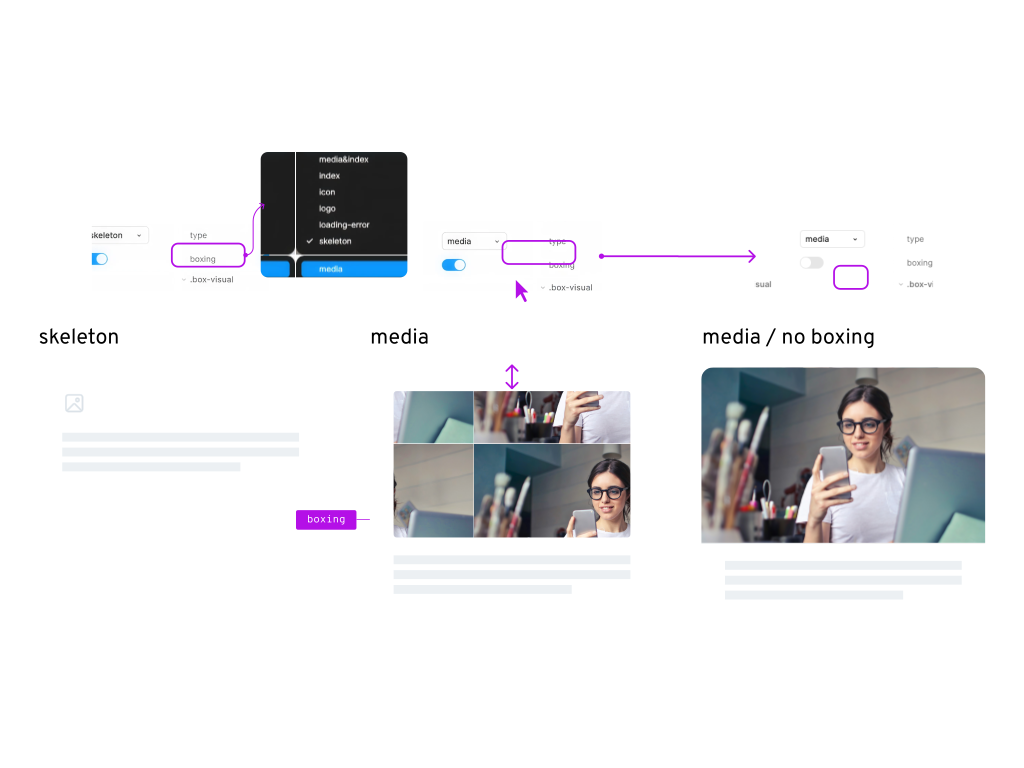
As UDS matured, two additional layers became increasingly important. DBAM tackled the operational side of brand asset work in Figma, making assets easier to source, manage, and insert in a multi-brand setup. In parallel, the UDS Orchestrator turned design-system knowledge into a repeatable AI-supported workflow for setup, audit, verification, and Figma-to-code translation.
These extensions mattered because they addressed the reality around the system, not just the system itself. UDS defined the product foundation, DBAM supported asset operations, and the Orchestrator helped teams apply the system more reliably in development workflows.
The platform became strongest when it extended beyond components and started supporting the real operational friction around them.
07
/Impact
The platform improved speed, quality, and multi-brand scalability
After roughly two years, the strongest signal was not only that the system existed, but that teams were actively building with it. Adoption moved beyond theory and into product delivery: new features were based on shared components, designers worked from the same library, and engineering reused more implementation across products.
This translated into measurable gains across speed, quality, and coordination. Design and front-end teams moved faster, alignment overhead dropped, UI consistency improved, and the cost of integrating further brands became much lower once the central architecture was established.
The biggest success was not a single component. It was proving that one shared platform could support multiple brands, multiple teams, and multiple workflows without sacrificing usability, accessibility, or delivery speed.
Outcomes
Product adoption
72%
New features on UDS
68%
Design speed
-32%
Frontend speed
-27%
Component reuse
74%
Alignment effort
-35%
UI consistency
+41%
Design debt
-38%
UI bugs
-22%
WCAG AA
96%
Bundle size
-18%
Brand integration effort
-50%